Horizons of Health
Mold (Mycotoxin)illness
Mycotoxin illness has many names. It is called mold toxicity, mold allergy, biotoxin illness, and chronic inflammatory response syndrome, to name a few.
Are These Symptoms Disrupting Your Life?
Mold and mycotoxin exposure often go undiagnosed but the symptoms are real and can worsen over time.
Chronic fatigue or exhaustion
Brain fog, memory issues, difficulty focusing
Allergies, sinus congestion, chronic cough
Unexplained anxiety or mood swings
Headaches or migraines
Muscle aches or joint pain
Digestive issues or food sensitivities
Skin rashes or itching
Light sensitivity
Dizziness
Sensitivity to smells or chemicals
Sleep problems or night sweats
Mold illness affects every person differently but the common thread is that traditional doctors rarely test for it. That’s why so many people continue suffering without answers.
Jennifer Baer, NP

Jennifer Baer, NP
What Is Mycotoxin Illness?
Mycotoxin illness, a condition distinctly different from the commonly understood "mold allergy," is often not recognized due to its limited coverage in traditional medical education. This ailment is triggered not by an allergy to mold, but by a person's reaction to toxins produced by certain toxic molds. It typically manifests in individuals with certain genetic predispositions following mold exposure to water-damaged buildings. Although locating mold in your home can be challenging, through rigorous mold testing and meticulous mold removal, it's possible to significantly minimize health consequences.
Could My Home Have Mold?
The World Health Organization has remarked on the dangers of water-damaged buildings, stating that both in vivo and in vitro toxicological evidence validates the occurrence of various inflammatory and toxic reactions after exposure to microorganisms, including their spores, metabolites, and components, from damp buildings.
Comprehensive mold removal is thus critical; failing to entirely remove even small clusters of growth can lead to ongoing exposure, posing a continuous health hazard. When an individual encounters mold toxicity, they may not be genetically equipped to process and eliminate these toxins, leading to their persistent circulation in the body and subsequent chronic illness caused by immune dysfunction.
Many patients may believe their homes are mold-free, but mold exposure could occur elsewhere; at work, in schools, or public buildings making remediation a complex but essential process. This continuous mycotoxin exposure can silently impact your health and indoor air quality.
Ozone Therapy for Mycotoxin Illness
Mycotoxin illness requires more than simply removing mold from your environment. Treatment must also address how your body responds to and eliminates these toxins.
Our treatment approach focuses on:
✅ EBOO (Extracorporeal Blood Oxygenation & Ozonation)
✅ Identifying ongoing exposure through advanced testing and environmental assessment
✅ Supporting detox pathways so the body can safely eliminate stored toxins
✅ Calming inflammation and repairing the immune, neurological, and hormonal systems
✅ Restoring energy and resilience through targeted mitochondrial and cellular support
✅ Preventing future exposure with clear, personalized guidance
With a comprehensive, individualized plan, many patients who have struggled for years finally start experiencing meaningful improvement once the true root cause, mycotoxin overload is addressed.
Most Patients Report:
✅ Increased energy
✅ Reduced pain
✅ Fewer infections
✅ Improved mental clarity
✅ Better stress tolerance
✅ Enhanced recovery
Frequently Asked Questions
What are the long-term risks of untreated mold illness?
Untreated mold and mycotoxin illness can lead to ongoing inflammation and chronic stress on the immune, neurological, and hormonal systems. Over time, this may contribute to persistent fatigue, brain fog, recurrent infections, digestive issues, mood changes, and difficulty recovering from other illnesses.
Because mycotoxins can remain stored in the body, symptoms often continue or worsen if the underlying exposure and detoxification issues are not addressed. Early identification and a personalized treatment approach can help reduce long-term health complications and support lasting recovery.
How do I know if my home or workplace has mold?
Mold is not always visible or accompanied by a musty smell. Water damage from leaks, flooding, poor ventilation, or high humidity can allow mold to grow behind walls, under flooring, or in HVAC systems.
If you notice ongoing symptoms that improve when you’re away from a specific environment or worsen when you return, mold exposure may be a contributing factor. Advanced environmental assessments and testing can help identify hidden mold sources and guide appropriate remediation.
How long does mold treatment typically take?
The length of mold and mycotoxin treatment varies from person to person and depends on factors such as the duration of exposure, overall health, detoxification capacity, and whether ongoing exposure is still present.
Some patients begin to notice improvement within weeks, while others may require several months of guided treatment and support. Our approach focuses on steady, sustainable progress rather than quick fixes, with treatment plans tailored to each individual’s needs.
Post Address
Address
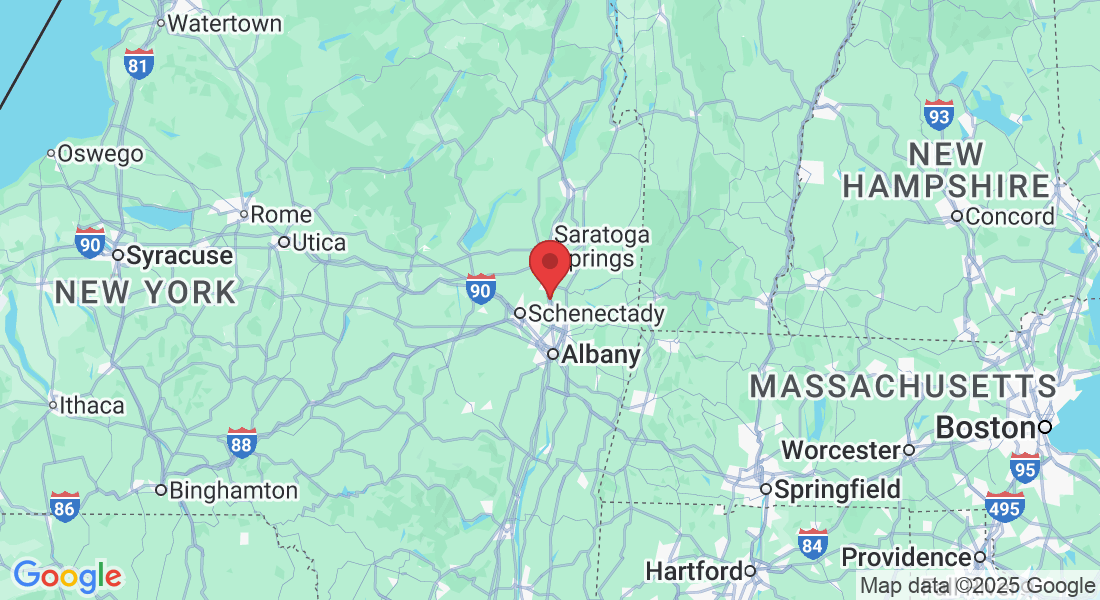
Office: 4 Chelsea Pl Suite 202, Clifton Park, NY 12065